Ravel
Designing for 2D and 3D at once
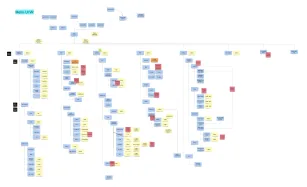
Before a single screen, the whole platform gets mapped: what exists, what it connects to, and what a person is trying to do when they reach it. In a spatial product the sitemap does double duty — it describes both the navigation and the architecture of the space itself.
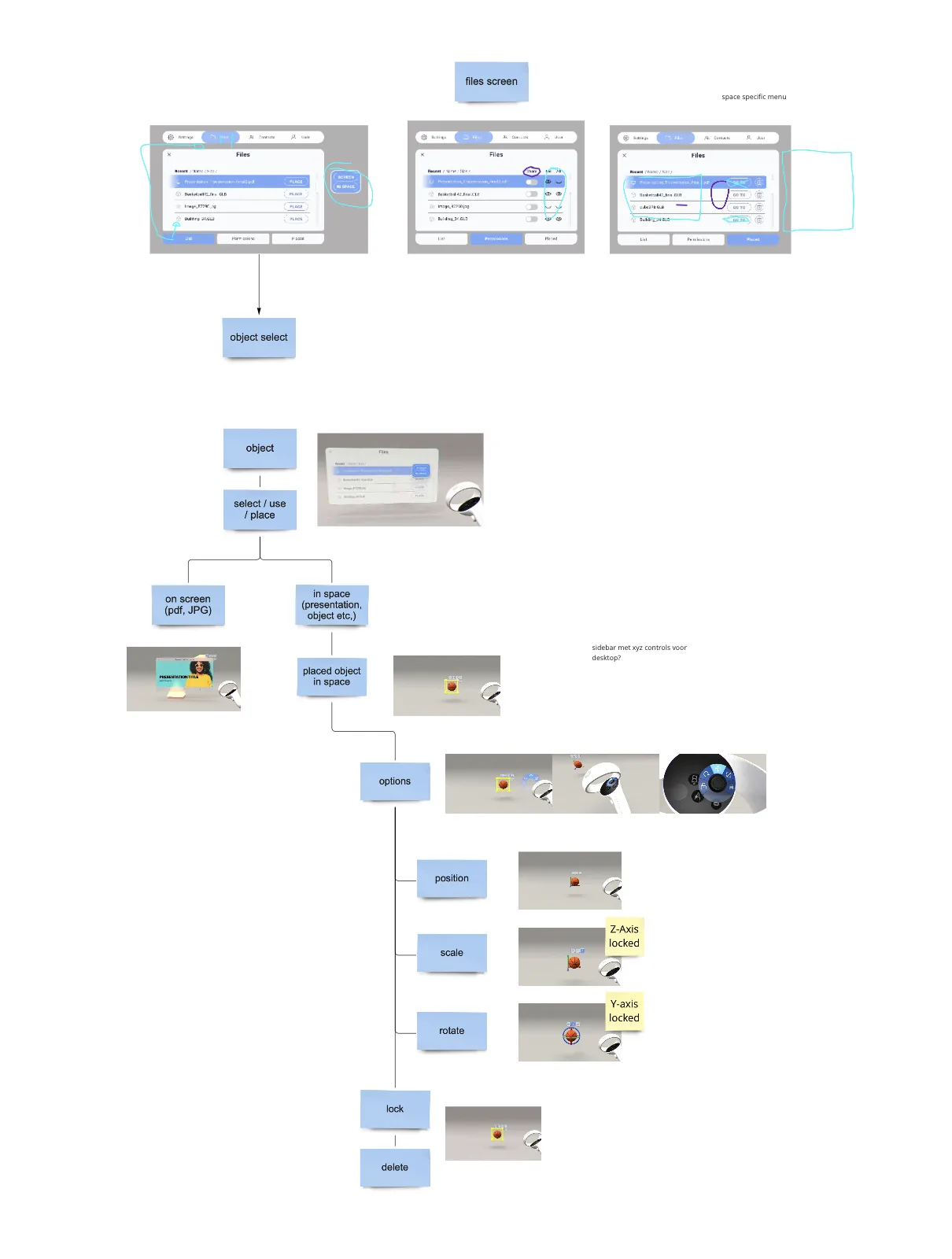
Everything gets built in greyscale first. Strip the colour and the brand out and the structure has nowhere to hide — if a flow only works once it is styled, it does not work.
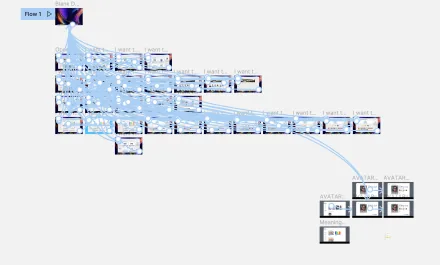
The first designed pass exists to be tested, not admired. Room panels, organisation switching, and space browsing were built out far enough to put in front of people and watch them fail.
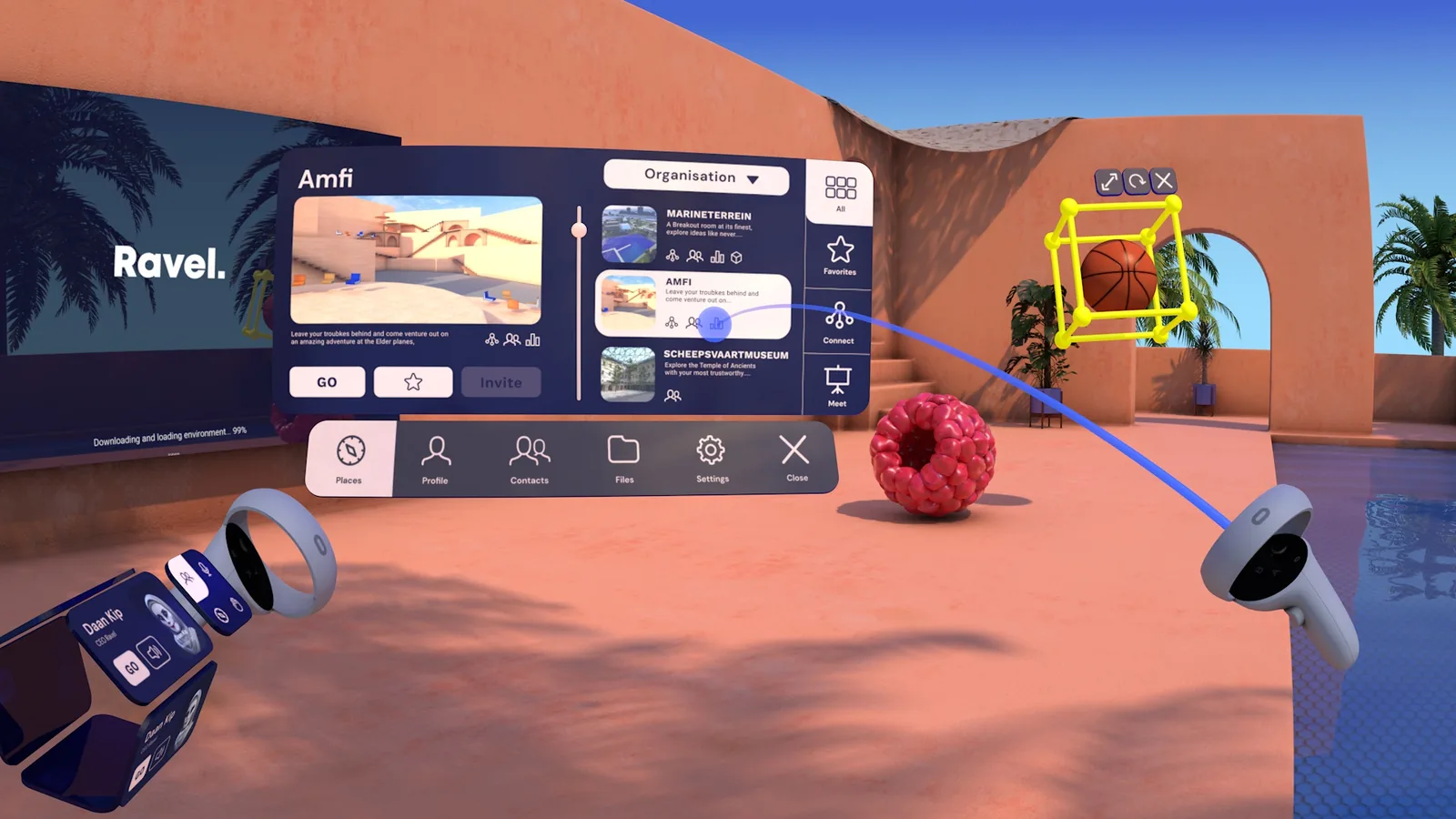
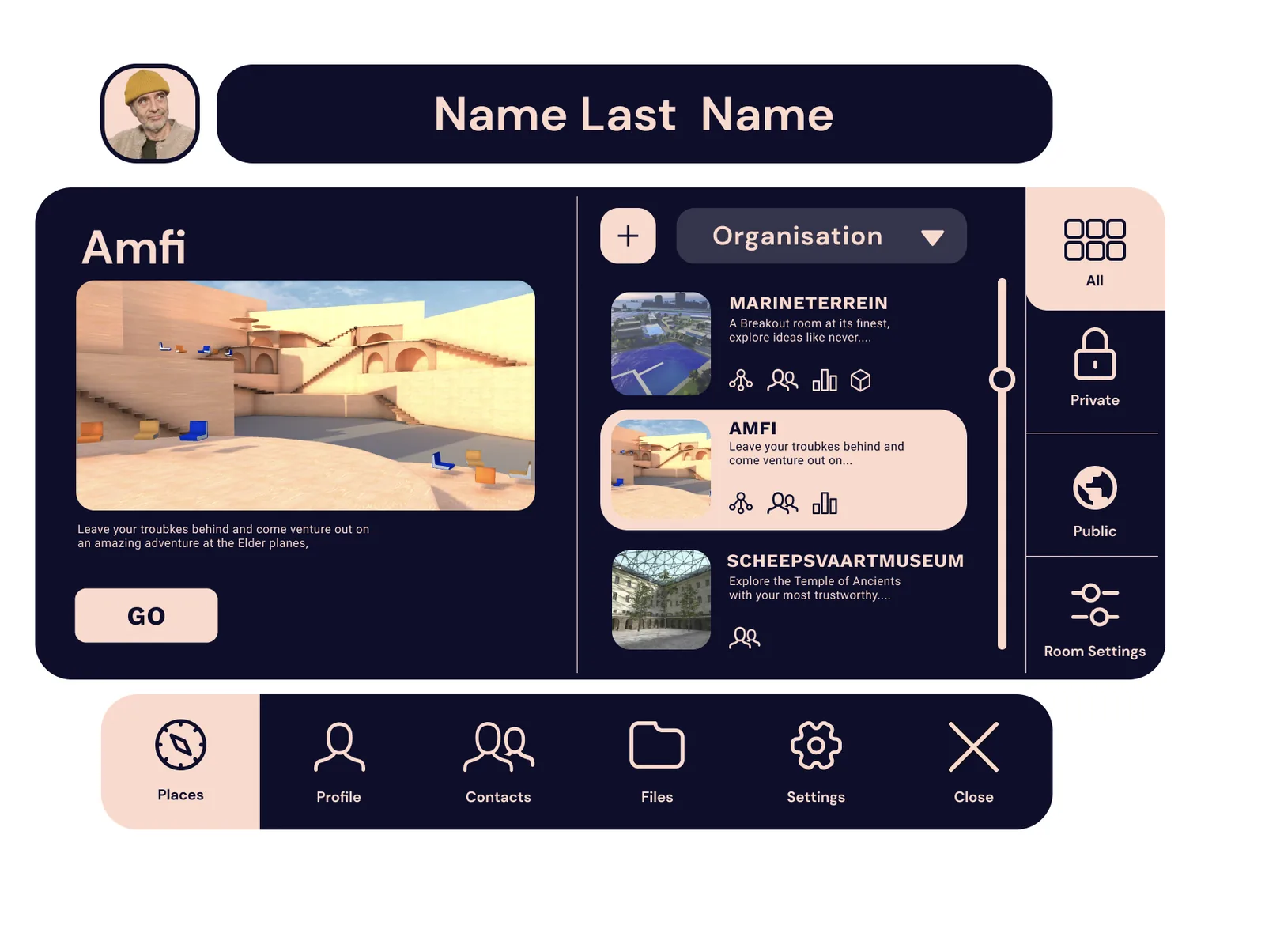
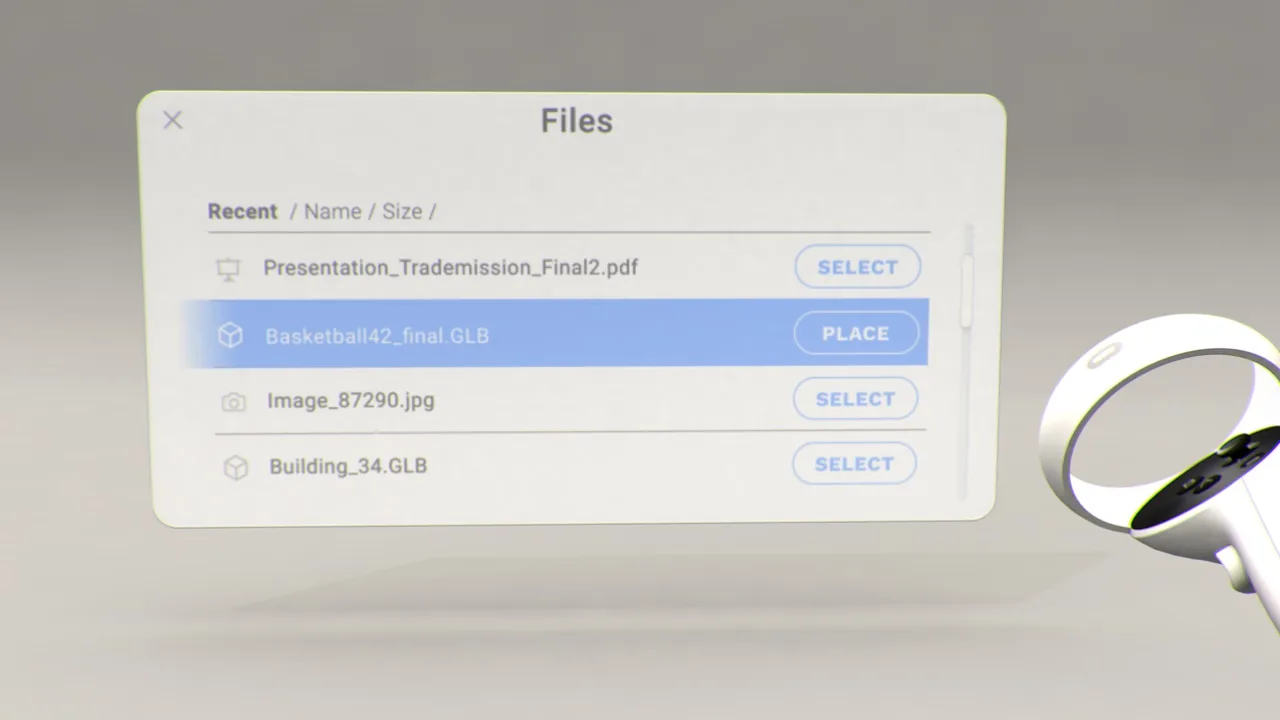
Testing the core loop: get in, find your people, bring something with you, present it. Each step was run until the friction moved somewhere new.
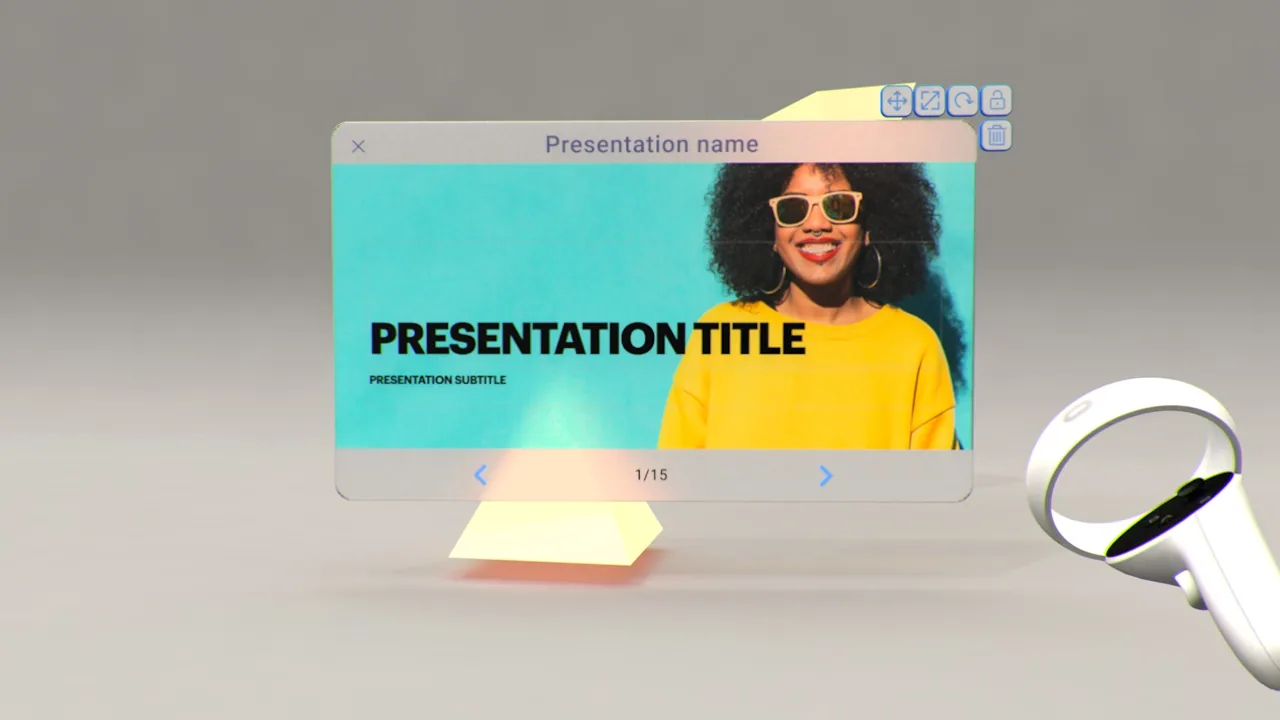
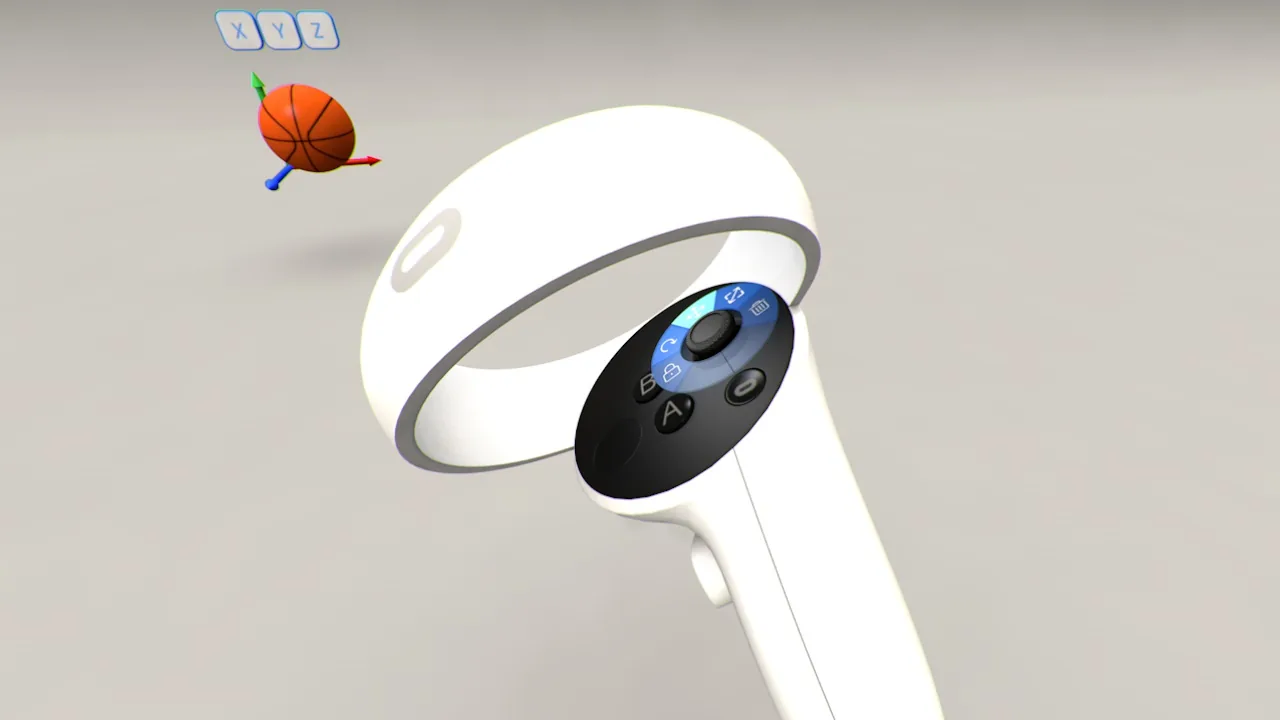
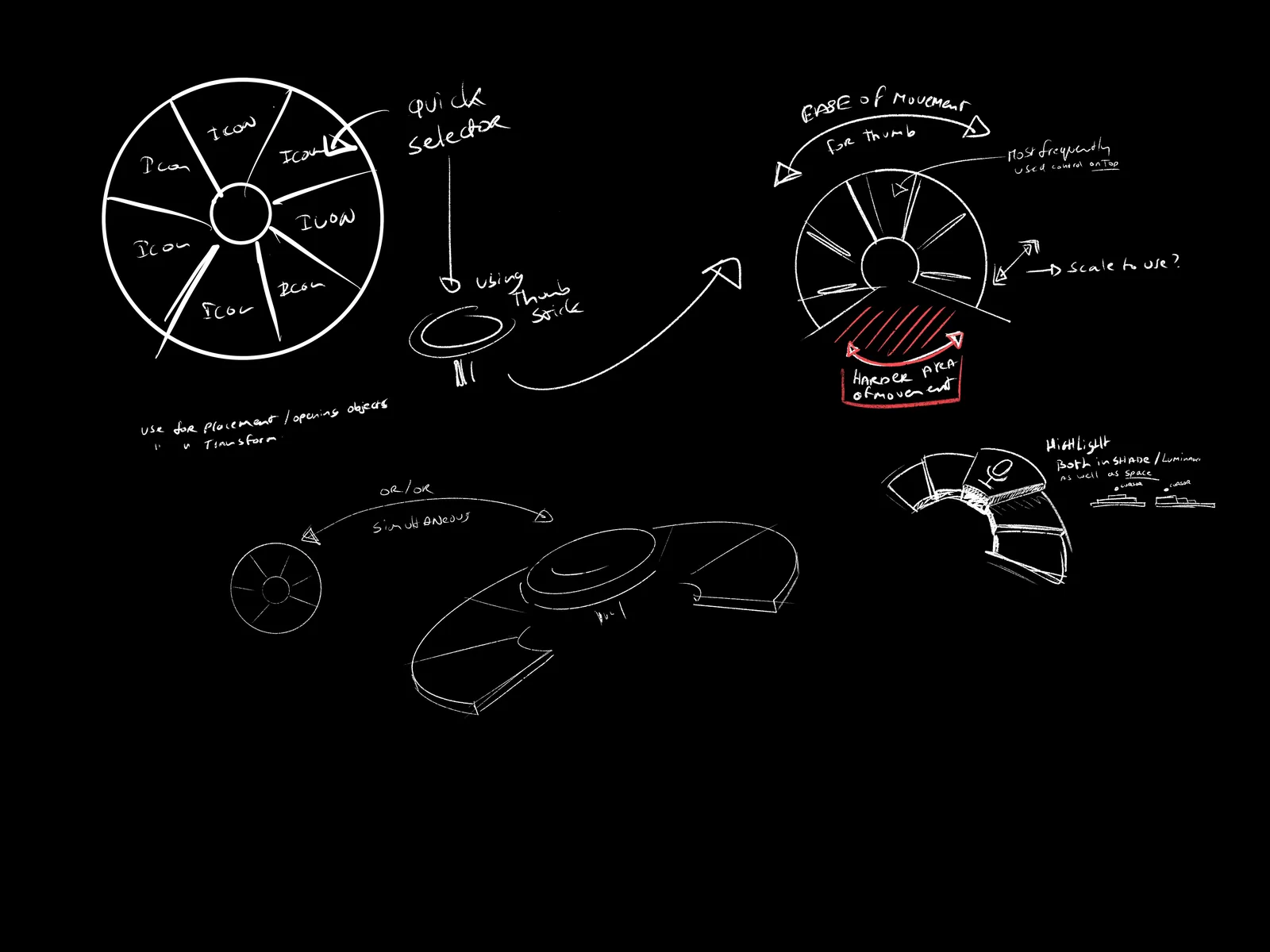
A menu on a screen is a menu. A menu in a room is furniture. Object manipulation, transform handles, and the radial controller menu all had to be readable at arm’s length, in headset, without a cursor to hover.
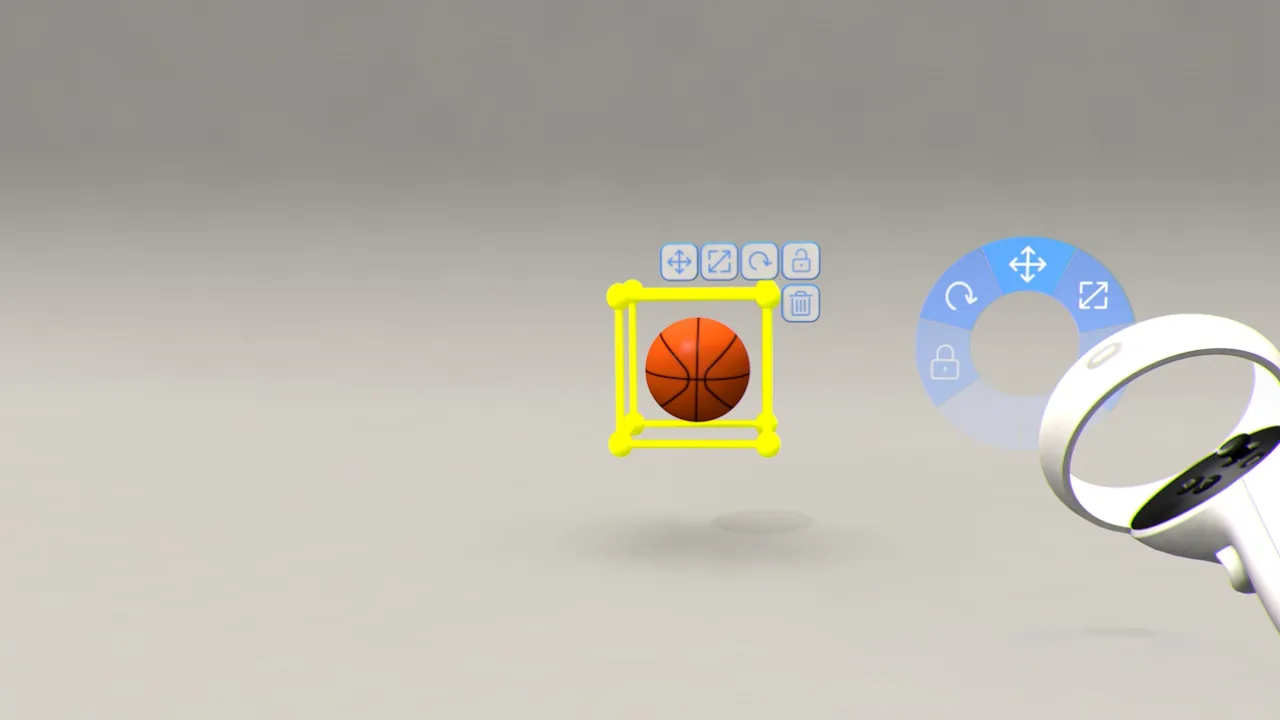
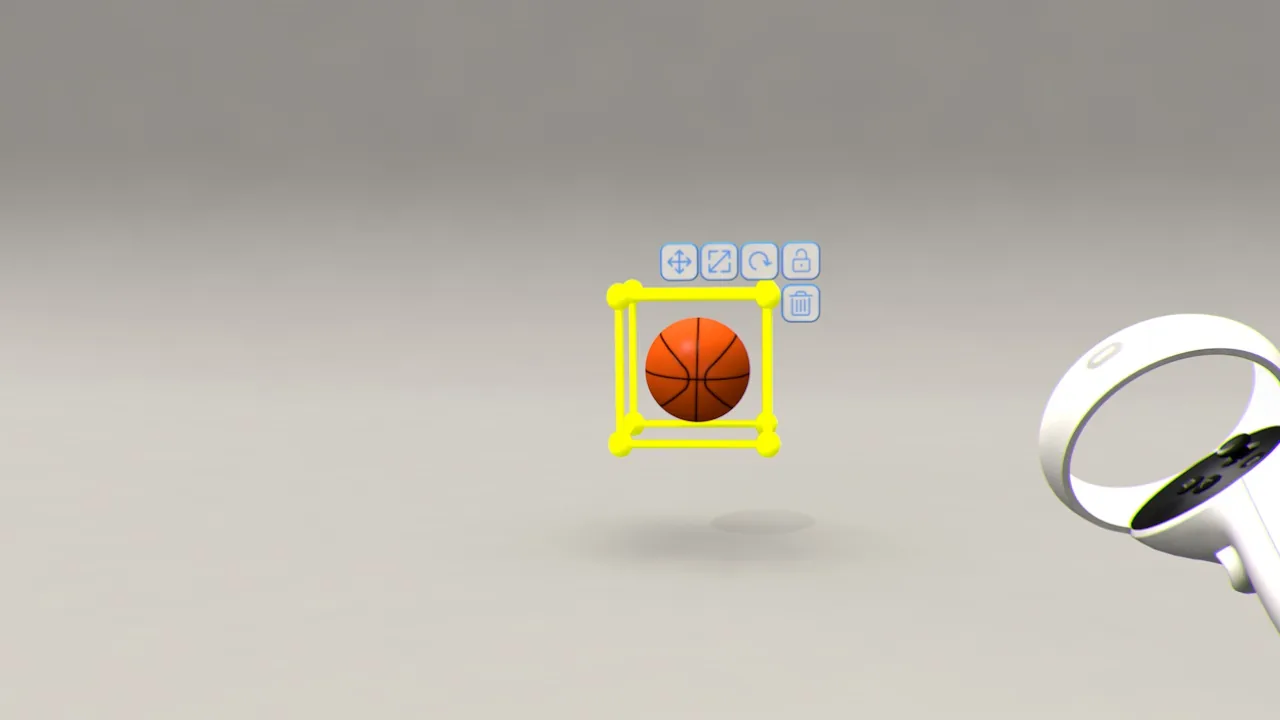

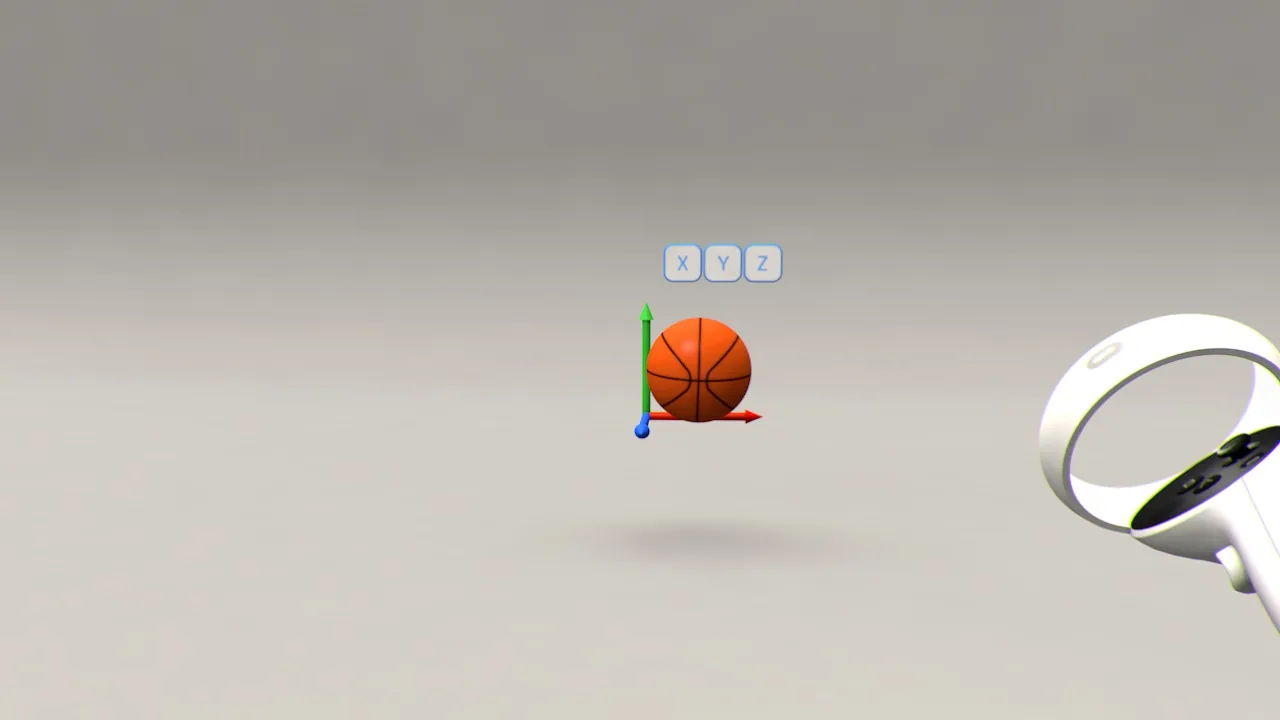
The whole functionality tree lived in Miro and FigJam as a development handbook — one shared surface the design and engineering sides could both point at. Most miscommunication on a spatial product comes from two people describing the same interaction in different vocabularies. A diagram everyone can edit removes the argument.